


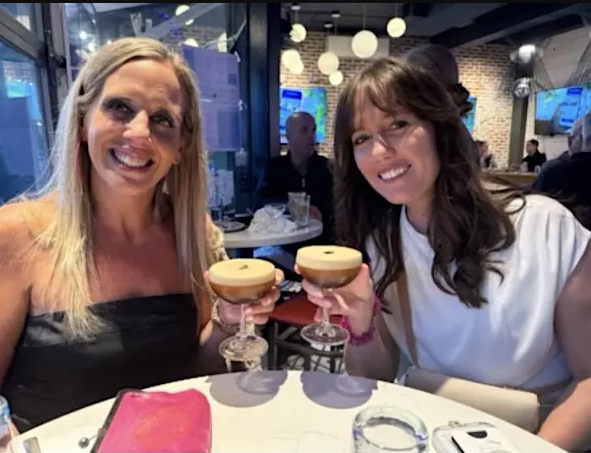
Somewhere between building careers, caring for others, navigating relationships, and trying to keep our own nervous systems afloat, connection can quietly slip out of reach. Many women in their 30s and 40s find themselves asking: Why does it feel harder to find real friendship now? In the DC area, that challenge can feel even sharper. This isn’t a personal failure—it’s structural, cultural, and deeply human.
In our 20s, connection happens organically through school, early careers, and shared proximity. But in this next season of life, schedules fill, responsibilities expand, and energy becomes more precious. Connection no longer happens by default—it requires intention, vulnerability, and time. And when life gets busy, it’s often the first thing to fall away, even though it’s the very thing that keeps us grounded.
Living in the DC area can add another layer. It’s a fast-paced, achievement-oriented, and highly transient environment where conversations often center on work and calendars book weeks out. Many women find themselves surrounded by people yet still feeling lonely—not because opportunities don’t exist, but because there are fewer spaces to be real, unpolished, and emotionally honest. Connection doesn’t grow from networking; it grows from being known.
For women, connection is more than social—it’s essential. It supports emotional regulation, resilience, and overall well-being. And while barriers like exhaustion, comparison, and fear of vulnerability are real, so is the desire for deeper community. Most women are craving it too. Rebuilding connection starts small: showing up, choosing shared experiences, and allowing ourselves to be seen. Connection rarely comes from one event or one conversation; it grows through repeated moments of safety, familiarity, and presence. It’s something we create through showing up, allowing ourselves to be seen, and letting moments of authenticity unfold. When women gather with intention and space to exhale, something powerful happens. Nervous systems settle, laughter comes easier, honesty surfaces, and healing begins. We remember ourselves again—and we remember each other.
Rebuilding connection often starts with small, intentional steps. Choosing spaces that prioritize shared experience over performance can make a meaningful difference—places where people are doing something together rather than simply making conversation. Going where others are showing up with intention, openness, and a desire for growth creates a different kind of social environment. Check out these local opportunities for building community with other women:
● The Women’s Crawl in Del Ray on Saturday, March 7
● The Del Ray Social Club
● The Ladies of Alexandria (Facebook Group)
Dr. Lauren Fisher is a licensed clinical psychologist who specializes in healing and personal
transformation. She is the owner of Del Ray Psych & Wellness and the co-host of Shrinks on
Tap.
