


As the weather cools and the air dries, you may start noticing that your eyes feel gritty, irritated, red, or, strangely enough, watery. But what if the weather isn’t the only culprit? Do you wake up with dry, uncomfortable eyes even though they’ve been closed all night? Do your eyes feel fine in the morning but become irritated after a few hours on your computer or phone? Do you constantly reach for artificial tears but get little relief? Sometimes, the problem goes much deeper than simply needing more moisture.
Recent clinical research is uncovering an important connection between perimenopause, menopause, and chronic dry eye disease. As estrogen and other hormone levels fluctuate, they can influence tiny oil-producing glands along our eyelids called meibomian glands. These glands produce the oily, or lipid, layer of our tears, which acts as a protective barrier against evaporation. When the glands become blocked or stop producing healthy oils, our tears evaporate too quickly, leading to evaporative dry eye. A 2026 study found that postmenopausal women experienced significantly more meibomian gland dysfunction and tear film instability than comparison groups. Other recent research highlights how hormonal changes may also contribute to ocular surface inflammation, creating an ongoing cycle of irritation and dryness. Suddenly, those frustrating symptoms may have an explanation beyond the weather!
So, what can you do about it? While some women consider hormone replacement therapy to manage menopause symptoms, estrogen therapy is not an established treatment for dry eye, and it isn’t appropriate for everyone. This is especially important for women with a history of estrogen receptor-positive breast cancer, who may be unable to take systemic estrogen. A 2026 study found that women receiving estrogen-blocking treatments for breast cancer experienced increased dry eye symptoms, reduced tear stability, and changes in the oil-producing glands of their eyelids, along with greater inflammation on the eye’s surface.
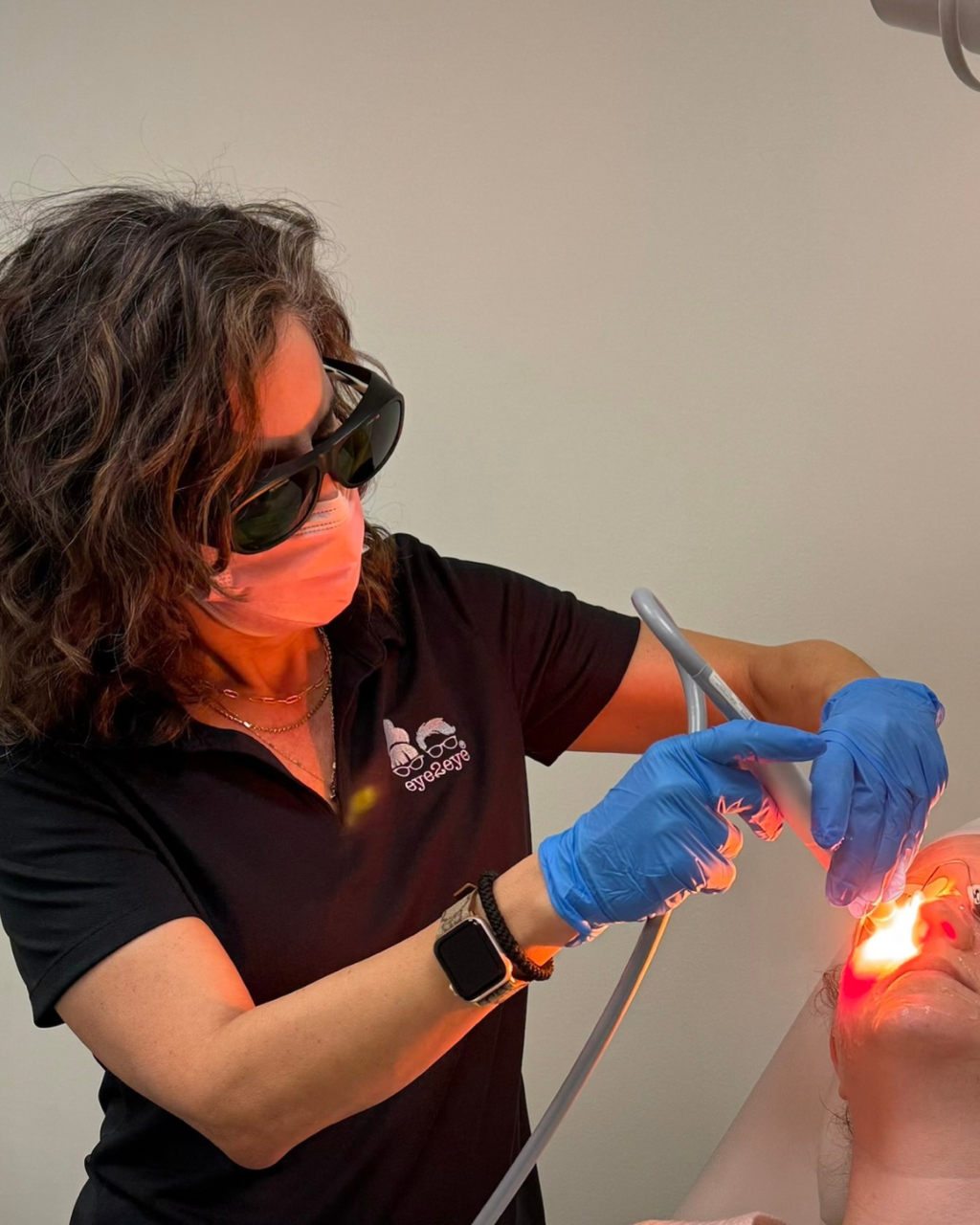
The good news is that treating dry eye doesn’t require hormone replacement. Depending on the underlying cause, options include prescription anti-inflammatory eye drops, radiofrequency treatments that gently heat the eyelids to help improve natural oil flow, including high-quality Omega-3s in the diet, and using platelet-rich plasma (PRP) eye drops prepared from a specialty lab, which is serum created from a patient’s own blood. These advanced treatments aren’t necessary for everyone, but they offer additional options when conventional care isn’t enough.
Why keep treating symptoms when you can address the cause? Artificial tears can be helpful, but they may only provide temporary relief when blocked oil glands or inflammation are the real problem. A comprehensive dry eye consultation can evaluate your tear quality, meibomian gland health, omega-3 and diet, and ocular surface to identify what’s contributing to your discomfort. Whether your symptoms stem from seasonal weather, hormonal changes, or another underlying factor. If you’re dealing with chronic dry eye, you’re not alone, and you don’t have to accept it as a normal part of life. There are options and strategies that can help improve your comfort and overall quality of life as you get older. Schedule a dry eye consultation to learn about treatments designed to address the cause and help you enjoy clearer, more comfortable vision.
